
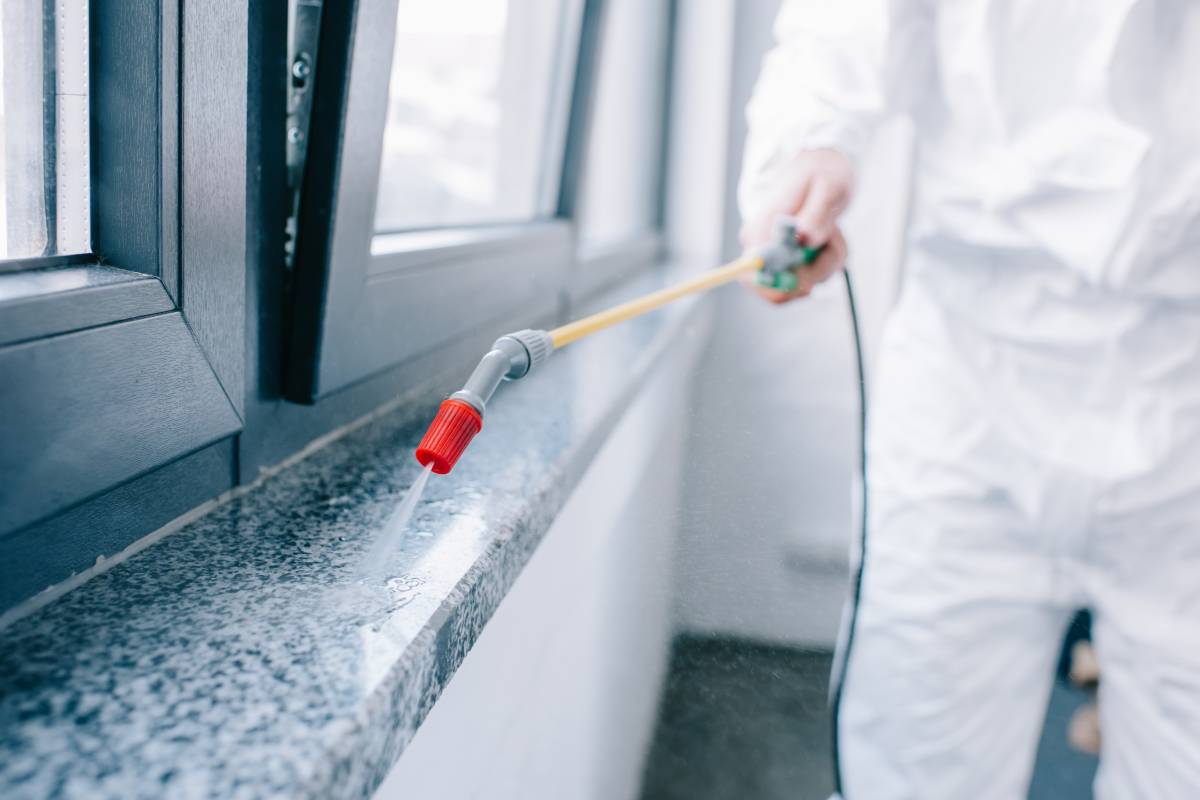
Pests are more than just a nuisance; they can compromise your health, damage your home, and disrupt your everyday life. Whether it’s ants trailing across your kitchen counter, termites chewing through wooden beams, or rodents scurrying in the attic, a pest problem demands quick and efficient attention. But the decisions you make during pest control matter just as much as the treatment itself.
This guide covers the essential do’s and don’ts of pest control to help you address infestations safely, effectively, and responsibly.
Not all pests are created equal. What works for ants won’t necessarily work for bed bugs, and termite solutions won’t eliminate cockroaches.
Why this matters:
Before applying any product, observe:
If you’re unsure, professional pest inspectors can identify the issue accurately.
While cleanliness alone won’t eliminate an established infestation, it’s a powerful preventive measure.
Helpful tips:
A clean environment makes your home less attractive to pests and also helps treatments work better.
Most pests enter through cracks, gaps, or holes, many of which go unnoticed.
Places to inspect and seal:
Use caulk, weather stripping, or mesh screens to close these gaps. Proper home maintenance reduces the chances of reinfestation and gives pest control efforts a long-lasting impact.
Labels are not suggestions; they are legal requirements. Pest control products are designed with specific instructions for safe and effective use.
The product label provides:
Misusing any pesticide, whether using too much or applying it incorrectly, can cause health hazards and may even worsen the infestation.
Pets and children are especially vulnerable to chemicals.
Before treatment:
If hiring professionals, inform them of any pets so they can use safe, approved methods or offer specialised guidance.
Integrated Pest Management (IPM) encourages environmentally friendly alternatives before using chemicals.
Some effective options:
These methods can reduce your need for harsh chemicals and help maintain a healthier home.
Pest control is rarely a “set it and forget it” process.
After any treatment:
Regular monitoring prevents small issues from becoming major infestations later.
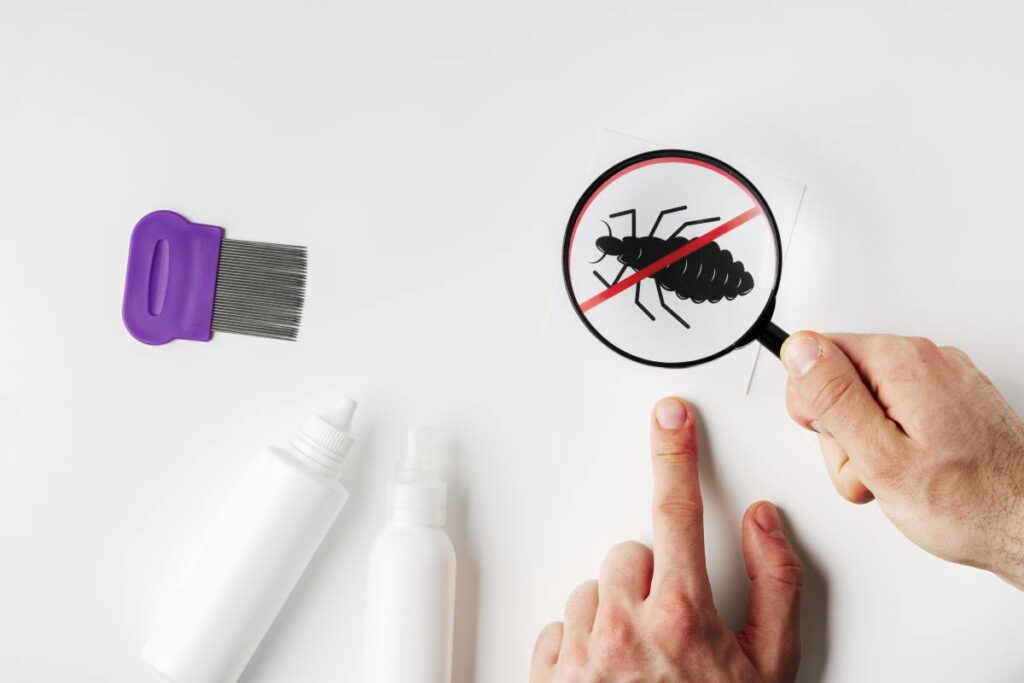
Pests multiply quickly. What starts as a few ants on your counter can become thousands overnight.
Common signs you should never ignore:
The earlier you act, the easier and cheaper it is to treat.
Outdoor chemical formulas are specifically designed for exterior use and may contain stronger or longer-lasting ingredients. Using them indoors can lead to:
Always purchase products clearly labelled for indoor use.
Mixing two chemicals rarely results in “twice the power.” In fact, it can be extremely dangerous.
For example:
Stick to one product at a time and follow the manufacturer’s instructions exactly.
Using more pesticides doesn’t make treatment more effective in many cases; it does the opposite.
Overapplication may cause:
If a product isn’t working, the solution is usually proper identification, not more chemical use.
Pest traps and baits are helpful only when placed safely and strategically.
Avoid placing traps:
For best results, put them:
This follows natural pest behaviour patterns while maintaining safety.
DIY pest control can handle mild to moderate infestations, but some situations require professionals.
Call an expert if:
Professionals have access to:
Knowing when to call for help can save you time, money, and stress.
Food and moisture are the two main attractants for pests. Even a tiny water leak or a forgotten snack can lure unwanted visitors.
Avoid habits like:
Regularly check sinks, bathrooms, and basements for hidden moisture issues.
Effective pest control isn’t about spraying chemicals everywhere; it’s about understanding pest behaviour, maintaining cleanliness, sealing entry points, and taking responsible action. Chemical treatments have their place, but they should always be used with caution and as part of a broader strategy.
This balanced approach ensures your home remains safe, comfortable, and pest-free.
Pest control requires a thoughtful, informed approach. By following these do’s and don’ts, you can manage pests safely and prevent future infestations. Whether you’re dealing with ants, termites, rodents, or other unwanted visitors, being proactive is key. If you’re overwhelmed or simply want guaranteed results, partnering with experts like SWAT Pest Control Brisbane.com.au ensures your home stays protected with safe, reliable, and professional treatment.
